It’s 3am, and you’re staring at the ceiling with that familiar knot in your stomach. Did you document enough this year? Will your casual approach to homeschool record keeping somehow derail your daughter’s college applications? You know other homeschool parents who have color-coded binders and detailed portfolios, and here you are with scattered photos and a half-filled planner. The fear is real — records do matter. But here’s what nobody tells you: the paralysis you’re feeling right now is often more damaging than imperfect documentation.
You’re already teaching, planning meals, and managing a household. Adding “meticulous administrator” to that list feels impossible, and honestly? It shouldn’t be necessary. What you need isn’t perfection — it’s a strategic minimum that protects your child’s future without burning you out. There’s a framework for homeschool record keeping that starts with what’s truly essential and builds only as your capacity allows. The shift isn’t from chaos to perfection; it’s from overwhelm to sustainable.
Let’s start with what actually matters in your state, then build a system that works for your real life.
What Homeschool Records Are You Actually Required to Keep?
Here’s the frustrating truth about homeschool record keeping: what you’re legally required to document depends entirely on where you live. Oregon parents? You’re not required to keep any records at all. Meanwhile, families in New York must maintain detailed attendance logs, quarterly reports, and annual assessment documentation. The gap between these extremes is massive, and understanding your specific state’s law is the single most important step before you organize anything else.
This matters more than ever — with 36% of states hitting record homeschool enrollment in 2024-2025, more families are navigating these requirements for the first time. But here’s where most people get stuck: they confuse legal requirements (what your state mandates) with recommended documentation (what helps with future school transitions or college applications but isn’t legally required). These are completely different categories.
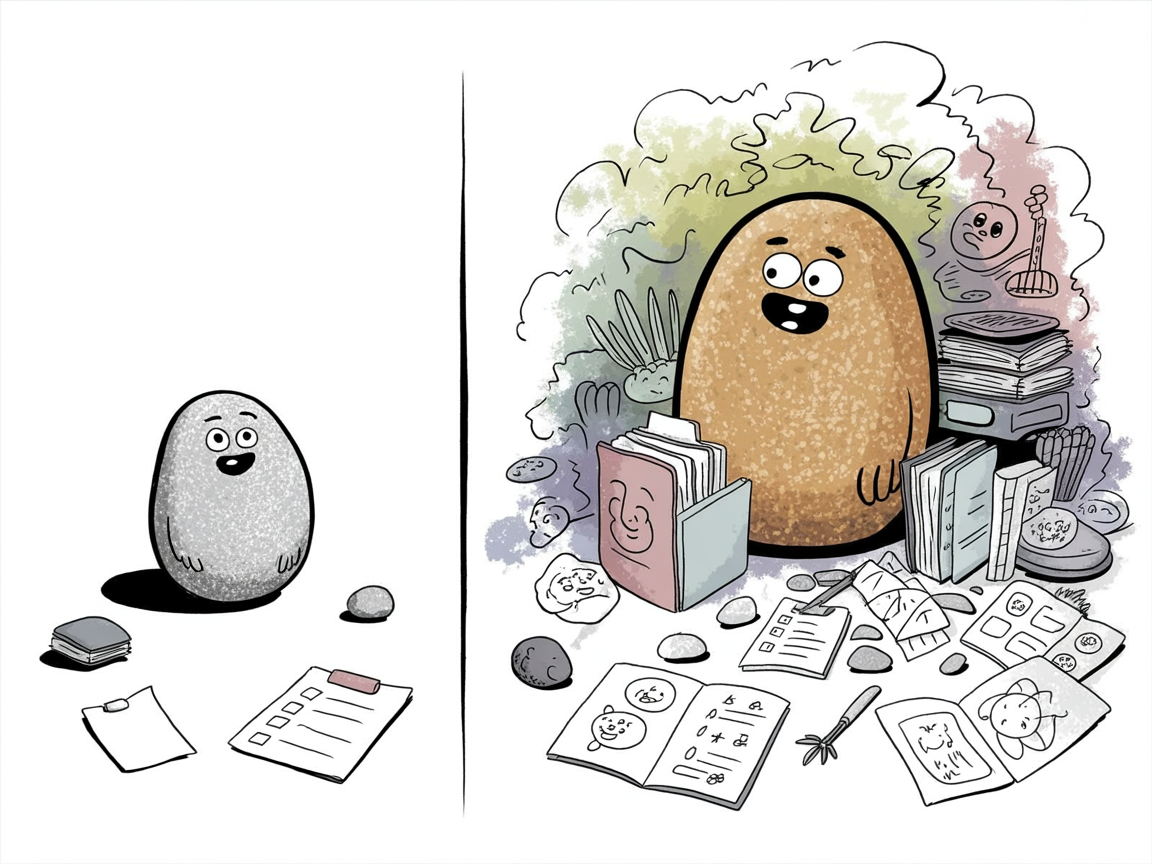
The reliable place to start? Your state’s department of education website or the HSLDA state law database — both offer current, official information without the confusion of outdated forum advice. Look specifically for phrases like “compulsory attendance law” and “home education statute.” What you’re trying to avoid is the common trap of keeping everything “just in case.” That approach leads straight to overwhelm. The strategic path? Meet your state’s legal minimums first, then add documentation only as your family’s actual needs emerge — like if your child might transfer to public school or you’re planning for college applications. Start with what’s required, not what’s theoretically useful someday.
The Minimum Viable Records Framework: Start Here
Let’s cut through the noise. You don’t need a complex system on day one — you need four core categories that form a solid foundation for homeschool record keeping. First, attendance documentation (even if your state doesn’t require it, this proves you’re actually homeschooling). Second, a running list of books read and curriculum used. Third, work samples that show progress over time — think math tests, writing samples, or project photos. Fourth, a basic learning log where you jot down what you covered each week or month. That’s it. These four categories satisfy legal requirements in 35 US states and create a foundation you can build on later.
Here’s what trips people up: they hear “minimum” and worry it means inadequate. But minimum viable doesn’t mean barely scraping by — it means strategically sufficient. You’re meeting legal requirements and protecting future opportunities without the burnout that comes from trying to document everything. The relief? You can start this framework TODAY, even if you’re months behind. Snap a few photos of current work, list the books you’ve read this month, and jot down this week’s activities. You’ve just created a foundation.
Now, how this scales matters. Elementary families can keep it beautifully simple — photos of block towers, reading logs, and nature journal entries tell the story. High school families need to layer in course descriptions and grades because those feed directly into transcripts for college applications. But both start with the same four categories. The complexity grows only as your child’s needs actually require it, not because someone said you should be doing more.
Building Your Homeschool Portfolio: What Actually Goes In It
Think of your homeschool portfolio as a curated story of growth, not a filing cabinet of every worksheet ever completed. The purpose cuts both ways: yes, it satisfies evaluators in states that require portfolio assessments. But more importantly? It becomes a celebration of your child’s unique learning journey. You’re documenting progress over time — how their writing evolved from simple sentences to complex arguments, how their math thinking deepened, how their curiosity led them down unexpected paths. That narrative matters far more than a stack of perfect final products.
So what makes a homeschool portfolio actually complete? You need representative work samples across core subjects — think a few math tests showing progression, writing samples from different points in the year, science lab notes or project photos. Layer in documentation of those memorable moments: the field trip to the Civil War battlefield, the coding project that took three weeks, the book list that shows their reading journey. And here’s what separates adequate from excellent: evidence of mastery, not just completion. A photo of your daughter explaining her science fair project to a neighbor shows understanding in ways a filled-out worksheet never could.

The tricky part? Documenting learning that doesn’t fit neat subject boxes. That volunteer work at the animal shelter taught biology, responsibility, and communication skills. The family business project covered math, writing, and real-world economics. Homeschool laws vary by state, but project-based assessment approaches let you capture this richness. Create a one-page project description explaining what your child learned and how it connects to educational goals. Include photos, reflections, or products they created. This documentation transforms “helping at the bakery” into legitimate learning evidence.
Organizing Your Working and Presentation Portfolios
Now here’s the organizational secret most people discover too late: maintain two portfolios. Your working portfolio is everything you collect throughout the year — every interesting piece of work, every photo, every project. It’s messy and comprehensive. Your presentation portfolio is the curated selection you’d show an evaluator or include in college applications — maybe 10-15 representative pieces per subject that tell the growth story clearly. Build the working portfolio all year, then spend an afternoon selecting the highlights. This two-tier approach means you’re never scrambling to recreate evidence you forgot to save, but you’re also not drowning in unnecessary documentation.
Digital vs. Physical Record Keeping: Choosing Your System
Here’s the truth about digital systems: they excel at searchability and backup security, but they come with real friction. You can find that math assessment from October in three seconds instead of digging through folders. Your photos automatically back up to the cloud, protecting years of documentation from house fires or coffee spills. But there’s a learning curve with new software, and frankly? Screen fatigue is real when you’re already managing lesson plans, research, and communication online. Some families love the efficiency. Others find themselves avoiding record keeping entirely because opening another app feels exhausting.
Physical binders offer something digital can’t quite match — that tactile satisfaction of flipping through pages and seeing your child’s year at a glance. There’s no technology barrier for grandparents or evaluators who want to browse. You can spread everything across the dining table and reorganize by feel. The downsides? Storage space adds up fast, especially with multiple children. And one basement flood or misplaced binder can erase documentation you can’t recreate. It’s low-tech simplicity with high-stakes vulnerability.
What actually works for most families? A hybrid approach that plays to each system’s strengths. Keep daily planning and photo documentation digital — apps like Homeschool Planet or simple Google Drive folders make weekly logging painless. But print official documents, test scores, and your presentation portfolio for evaluations. This way you’re building a digital archive that’s searchable and backed up, while maintaining physical proof that doesn’t depend on technology access. It’s the ‘best of both’ strategy that actually sticks long-term.
The Quarterly Review System: Making Record Keeping Manageable
You know that end-of-year panic where you’re frantically trying to reconstruct nine months of learning? Quarterly reviews eliminate that entirely by spreading homeschool record keeping documentation across four seasonal check-ins. Instead of one overwhelming marathon, you’re spending 1-2 hours every three months capturing what just happened while it’s still fresh in your memory. Fall session covers September through November. Winter handles December through February. You get the pattern. This rhythm transforms homeschool record keeping from a dreaded annual project into a predictable maintenance routine that actually fits into real life.
Making Quarterly Reviews Work in Practice
Here’s what each quarterly session looks like in practice. Set aside an afternoon when your working portfolio is reasonably organized. Pull out representative work samples from each subject — not everything, just pieces that show growth or mastery. Update your reading list while you can still remember which books sparked great discussions. Photograph any projects or hands-on work before they get dismantled or recycled. Write a few sentences about learning highlights: the history unit that captivated everyone, the math breakthrough, the science experiment that flopped but taught resilience. Then file everything in your presentation portfolio before details blur together. That’s it. Two hours, four times a year.
The secret weapon most families discover? Involving your children in quarterly reviews as they get older. Around age 10 or 11, kids can start choosing their own best work samples and explaining what they learned. This isn’t just about lightening your load — it builds genuine metacognitive skills. When your daughter articulates why her persuasive essay on ocean conservation represents her strongest writing, she’s developing self-assessment abilities that matter far beyond homeschool documentation. Plus, you’re capturing their voice and perspective on their own education, which makes portfolios infinitely richer.
Let’s talk realistic time investment. Most families spend those 1-2 hours per quarter on maintenance, then add 2-3 hours at year-end for final organization and any required reporting. That’s roughly 10-11 hours total spread across twelve months. Compare that to the families who skip quarterly check-ins and face a 10+ hour catch-up marathon in May, desperately trying to remember what happened in September. The quarterly system isn’t just less stressful — it’s actually less total time because you’re not reconstructing forgotten details or hunting for lost work samples. You’re documenting as you go, when everything’s still right there in front of you.
Homeschool Documentation for College Admissions and Beyond
Here’s what surprises most homeschool families: colleges aren’t confused by homeschool transcripts anymore — they’re actively recruiting homeschoolers. What they typically request is straightforward: a transcript you create yourself, course descriptions explaining what each class covered, reading lists, and sometimes portfolios or standardized test scores. The transcript shows grades and credits. Course descriptions add context — your ‘American History’ wasn’t just a textbook; it included primary source analysis, documentary films, and a research project on local civil rights history. This combination gives admissions officers the full picture they need to evaluate academic preparation.
The families who breeze through college applications? They started thinking about homeschool documentation in 9th grade, not 12th. That means tracking more than just academics from day one of high school. Volunteer hours matter for scholarships and applications, so keep a simple log with dates, organizations, and total hours. Extracurriculars count too — whether that’s leading a 4-H club, performing in community theater, or running a small business. For mastery-based learning achievements that don’t fit traditional grading, document the skills acquired and how proficiency was demonstrated. When your son completes a year-long coding project, save the repository link, write a brief description, and note what he learned. This becomes compelling portfolio material that shows depth colleges value.
Alternative Assessment Methods Homeschool Families Can Use
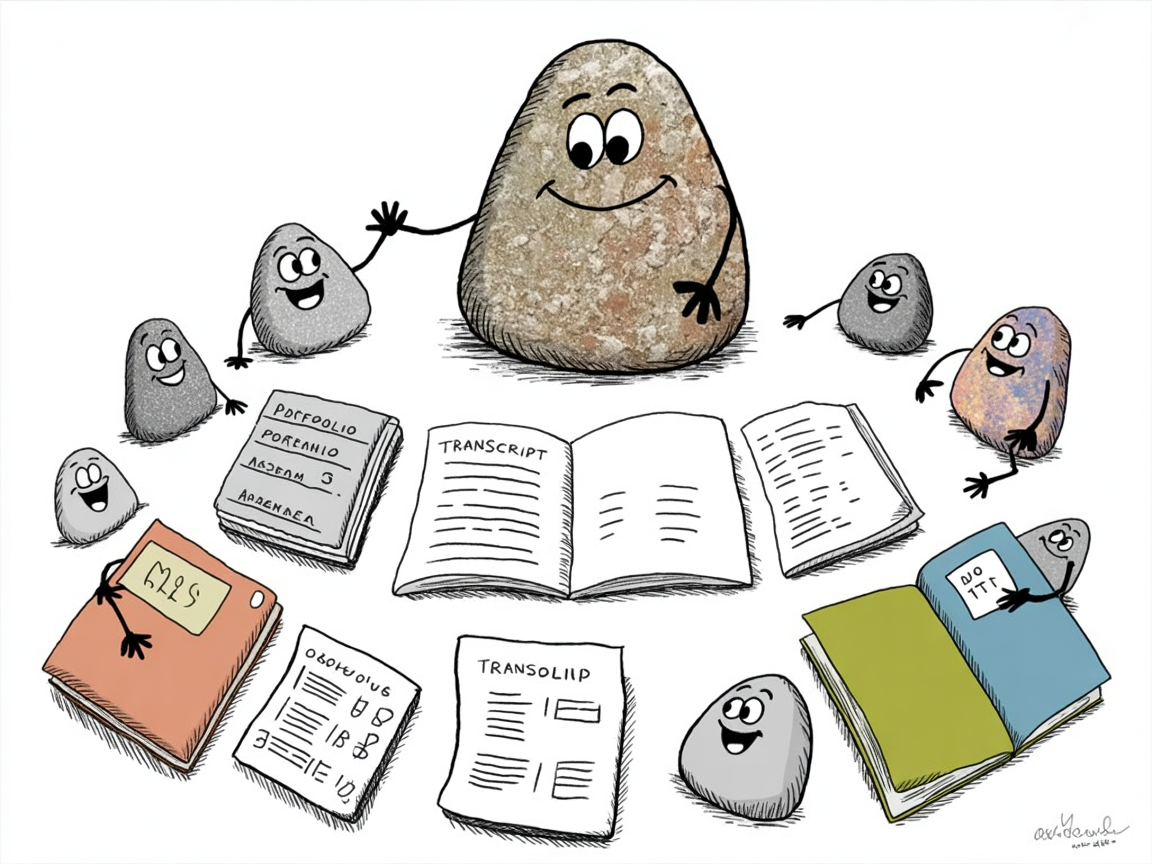
Not everything meaningful fits on a traditional transcript, and that’s actually an advantage. Detailed portfolios let you showcase project-based assessment and learning that would get flattened into a single grade in conventional schools. Your daughter’s semester studying marine biology through beach cleanups, water testing, and species identification? That portfolio tells a richer story than ‘Biology: A’ ever could. Competency-based assessments work beautifully for demonstrating mastery — create rubrics showing skill progression in areas like writing, mathematical reasoning, or scientific inquiry. Dual enrollment records from community college classes provide third-party validation that some admissions offices appreciate. And project documentation — the research paper, the built prototype, the performance video — proves learning happened at a level transcripts alone can’t capture. According to MiAcademy, good records genuinely help homeschooled children when they apply to college, and these alternative assessment formats often become the most compelling parts of an application.
Troubleshooting: Fixing Incomplete Records and Avoiding Common Mistakes
Discovered gaps from previous years? Don’t panic — you can reconstruct more than you think. Start with bank statements showing curriculum purchases, then layer in photos with timestamps, library borrowing history, and your child’s own memory of what they studied. That science kit you ordered in March? That’s documentation of a unit. Those 47 photos from the Civil War battlefield trip? That’s your field trip record. Ask your kids what they remember learning — they’ll surprise you with details you’d forgotten. Pull up your library account to see which chapter books dominated last spring. It’s not perfect documentation, but it’s infinitely better than nothing, and it satisfies most state requirements just fine.
The most common mistake? Keeping everything or keeping nothing. We see families drowning in three-ring binders stuffed with every worksheet and doodle, unable to find anything meaningful. The flip side looks like parents with vague memories and zero documentation, scrambling in May. The sweet spot lives between these extremes — your working portfolio captures representative samples, not comprehensive archives. Another killer mistake is waiting until year-end to organize anything. Those quarterly reviews we talked about earlier? They prevent this exact problem. And here’s the one that causes actual heartbreak: not keeping backup copies of critical documents. Scan or photograph transcripts, diplomas, and standardized test scores. Store them somewhere off-site or in the cloud. House fires and floods happen.
Managing Records for Multiple Children Without Losing Your Mind
Here’s what actually scales across siblings: shared family documentation for activities you do together. One field trip log covers all three kids who visited the planetarium. One read-aloud list documents the chapter books everyone heard at dinner. But individual folders hold personal work — your oldest’s algebra tests don’t belong in your kindergartener’s portfolio. The families who handle multiple children smoothly use systems that eliminate duplicate effort. A single family calendar tracks everyone’s activities. Shared supply lists and curriculum notes live in one master binder. Individual portfolios stay lean and focused. According to MyHomeschool, 35 US states require keeping homeschool records, so building systems that work for your whole crew isn’t just convenient — it’s often legally necessary. The key is distinguishing what needs individual documentation from what naturally applies to everyone.
Frequently Asked Questions
How long should I keep homeschool records?
Keep high school records permanently — you’ll need them for transcripts, college applications, and scholarship verification years after graduation. For elementary and middle school, maintain at least 2-3 years of records in case of school district inquiries or if your child transitions back to traditional school. Once your child completes college, you can finally breathe and shred those elementary portfolios.
What if my state doesn’t require homeschool record keeping?
Even without legal requirements, basic records protect your child’s future options for returning to traditional school, applying to college, or proving educational history for scholarships and employment. The Minimum Viable Records approach — attendance, reading lists, work samples, and a learning log — takes maybe 15 minutes weekly but provides essential protection. Think of it as insurance you’ll be grateful you bought.
Can I use photos as homeschool documentation?
Absolutely — photos are excellent documentation for hands-on learning, field trips, science experiments, and projects that don’t fit on worksheets. Date-stamp them, add brief captions describing what your child learned, and organize by subject or month in your working portfolio. Many portfolio assessment approaches specifically value photographic evidence because it captures learning in action, not just finished products.
How do I document unschooling or child-led learning for official records?
Focus on learning outcomes rather than curriculum titles — keep a learning log describing activities and skills developed, photograph projects and real-world experiences, and document mastery through completed work or demonstrations. The narrative evaluations and competency portfolios we discussed earlier work beautifully for unschooling because they emphasize what your child learned and can do, not which textbook they followed.
What’s the difference between a homeschool portfolio and a transcript?
A portfolio contains actual work samples, photos, and projects showing learning across time — it’s the evidence. A transcript is a formal summary listing courses, grades, and credits for high school — it’s the Cliff Notes version. Colleges often request both: the transcript shows what was studied, while the portfolio demonstrates how learning happened and proves depth of understanding.
Here’s the truth nobody tells you upfront: homeschool record keeping isn’t about creating museum-quality documentation of every learning moment. It’s about having enough — enough to prove educational progress if questioned, enough to support future opportunities, enough to give you peace of mind without consuming your life. The Minimum Viable Records approach works precisely because it acknowledges reality. You’re teaching multiple subjects to multiple children while managing a household. Your record keeping system needs to fit into that life, not become a second full-time job.
Start today with what you have. Pull out a notebook or open a digital document and jot down this week’s read-alouds, today’s activities, and one work sample worth keeping. That’s it. You’ve just created the foundation. Set a calendar reminder for your first quarterly review three months from now — those four sessions will keep you current without the panic. Your system will evolve as you figure out what actually serves your family, and that’s exactly how it should work. Good enough record keeping protects your child’s future while letting you focus on what matters most: the actual learning happening in your home right now.